
Fatema Aktar Shanta
Fatema Aktar Shanta is an independent researcher working within the One Health framework, with a focus on smallholder livestock systems, zoonotic risks, and sustainability in low-resource settings. Her work draws on field-based evidence to inform public health and resilient food systems in the Global South.
The Nobel Peace Prize — the very name evokes harmony, unity, and the triumph of humanity. But a glance at history tells a more complicated story. The prize, at times, has been not only a symbol of peace, but also a reflection of global politics.
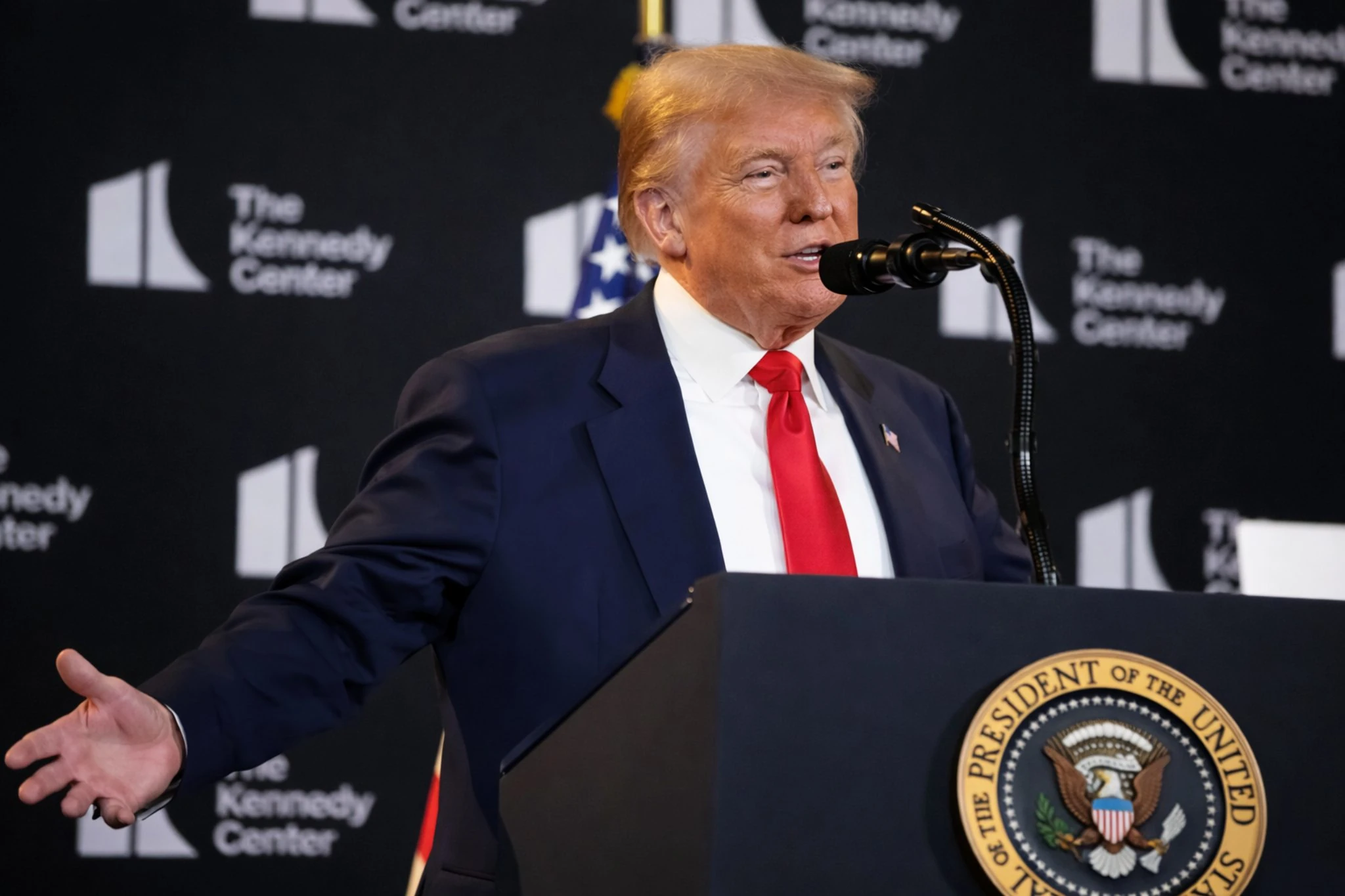
After months of widespread speculation and debate, the Nobel Peace Prize 2025 was officially announced on October 10. Around the world, many had been guessing who would be recognized this year as a global symbol of peace. Among the names discussed was that of former U.S. President Donald Trump, who had publicly expressed hope of winning the award. However, the honor ultimately went to Venezuelan political leader María Corina Machado.
Despite not winning the prize, Donald Trump has not lost hope. He expressed optimism that one day he might be recognized for his diplomatic efforts and contribution to promoting peace across the globe.
Trump’s Claim: “I Brought Peace, Not War”
In 2020, Trump played a pivotal role in brokering the Abraham Accords, normalizing diplomatic relations between Israel, the United Arab Emirates, and Bahrain. He has repeatedly claimed that this historic agreement stands as evidence of his commitment to global peace.
He also pointed to his diplomatic initiatives involving Afghanistan, Syria, and North Korea as examples of his attempts to reduce global tensions.
While many international analysts view these efforts as politically motivated, Trump’s supporters argue that he introduced a new era of “pragmatic diplomacy” aimed at achieving peace through negotiation rather than conflict.
Statement from the Nobel Committee
In its official statement, the Norwegian Nobel Committee announced that the 2025 Peace Prize had been awarded to María Corina Machado for her “courageous commitment to democracy and human rights.”
The committee praised her leadership in Venezuela’s pro-democracy movement, noting that she has faced political persecution and restrictions while continuing to advocate for freedom and justice.
“Peace is not merely the absence of war,” the committee wrote, “it is the presence of freedom and justice. Through her leadership, the people of Venezuela embody that truth.”
It is worth mentioning that,
The Nobel Peace Prize, first awarded in 1901, was established by Swedish inventor Alfred Nobel to honor those who work for peace and human rights.

It is awarded annually by the Norwegian Nobel Committee and remains one of the world’s most prestigious recognitions for promoting peace and resolving conflict.
Who Is María Corina Machado?
María Corina Machado is a prominent Venezuelan politician and human rights activist. She has long been a leading voice in the country’s struggle against authoritarian rule. Internationally, she is regarded as a symbol of democratic courage.
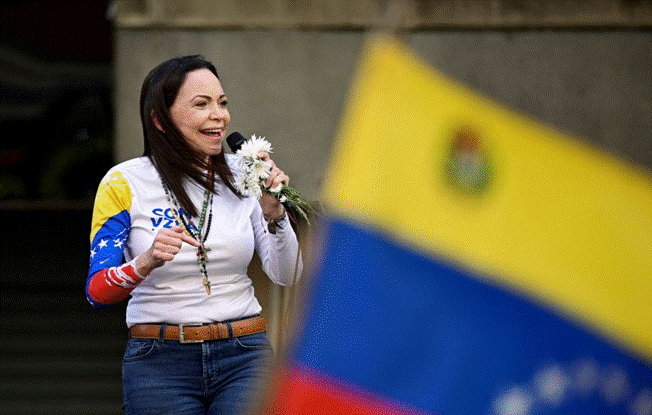
According to the Nobel Committee, her movement represents a beacon of hope for democratic renewal not only in Venezuela but across Latin America.
Trump Remains Hopeful
After the announcement, Donald Trump took to social media, writing:
“I brought peace, not war. One day, history will prove that.”
He also stated that he intends to continue working toward global stability and peace in the years ahead.
The Revived Nobel Narrative
Various major news organizations, including BBC, CNN, and Reuters, have brought Donald Trump’s ongoing assertions about the Nobel Peace Prize back to the forefront of his foreign policy discussions. He claims to have “ended seven wars” and presents his recent diplomatic efforts as evidence of his qualifications as a peacemaker. Meanwhile, detractors regard much of these as mere political theatrics.
Gaza Ceasefire: Trump’s Strategy and Impact on Peace
On October 9, 2025, a ceasefire between Israel and Hamas came into effect. The first phase of this agreement was implemented with provisions for humanitarian aid access, hostage release, and the transfer of bodies.
Thanks to Donald Trump’s mediation, international pressure was successfully applied. His diplomatic initiative and proactive efforts enabled the conflicting parties to agree to the terms without escalating tensions. Analysts say such mediation reflects Trump’s “peace strategy” and could support his claim for the Nobel Peace Prize.

The ceasefire remains challenging: Hamas is still active, and there is a risk of clashes along the border. However, the humanitarian impact is positive; people in Gaza are receiving aid, medical care, and opportunities for reconstruction. In this process, Trump’s role is considered a significant political and diplomatic achievement.
Diplomatic Efforts and the Abraham Accords
In 2020, Trump helped broker the Abraham Accords, establishing peace between Israel and several Arab nations, including the UAE, Bahrain, Morocco, and Sudan. While not resolving all Middle East conflicts, the agreements marked a rare moment of regional cooperation and led to his Nobel Peace Prize nomination.

Credit: https://arabcenterdc.org/resource/assessing-the-abraham-accords-three-years-on/
Beyond the Accords: The Broader Picture
Peace isn’t just about agreements; it also needs empathy, fairness, and moral leadership, which critics say Trump often lacked. His withdrawal from the Paris Climate Agreement and the Iran Nuclear Deal, along with the “America First” policy, strained global alliances. Domestically, racial tensions and political divisions deepened, highlighted by the 2020 Black Lives Matter protests and the January 6 Capitol attack, raising questions about his commitment to social peace and democracy.
The Moral Weight of the Nobel Peace Prize
The Nobel Peace Prize honors integrity and commitment to humanity, exemplified by figures like Nelson Mandela and Malala Yousafzai. Trump’s transactional, self-promoting approach and incomplete efforts with Kim Jong-un contrast with these ideals. Symbolic diplomacy alone cannot fulfill the prize’s moral purpose, as true peace demands sincerity, compassion, and consistency.
Legacy and Evaluation
Trump had a significant global impact, reshaping politics and challenging institutions, but the Nobel Peace Prize honors those who put humanity above power and ego. While he had some diplomatic successes, they were often overshadowed by divisive rhetoric and self-interest. His influence is clear, but lasting peace remains unachieved.
Which Seven Wars Does Trump Claim to Have Ended?
During discussions on Ukraine in Washington, Donald Trump asserted that he had “ended seven wars” over the course of his presidency. Shortly thereafter, the White House released a list clarifying the conflicts he referenced — six occurring during his second term and one in his first term.
Experts note that while the claim highlights Trump’s diplomatic narrative, the actual outcomes and lasting peace in these conflicts remain subjects of debate among analysts and historians.
Armenia–Azerbaijan: A Fragile Peace
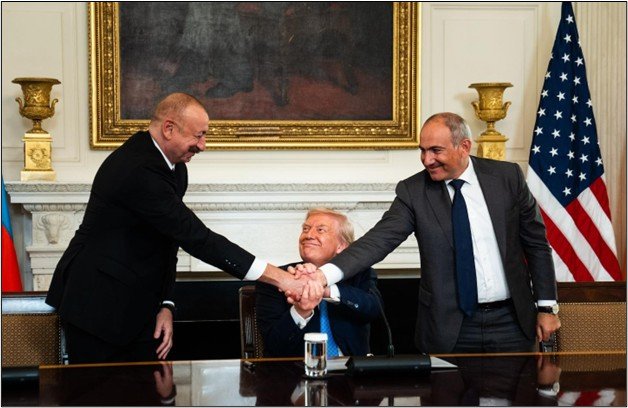
Armenia and Azerbaijan have long disputed Nagorno-Karabakh, a region historically tied to both nations. Tensions reignited in September 2023, when Azerbaijan took control of the territory. A White House peace agreement on 8 August 2025 brought both sides together, with leaders nominating Donald Trump for the Nobel Peace Prize for facilitating the talks.

Dr. Theo Zenou of the Henry Jackson Society called it a notable achievement, though he noted it was partly due to Russia’s declining influence and that underlying disputes remain unresolved.
“It’s an important symbol of progress, but the path to lasting peace is still uncertain.”
Thailand–Cambodia: A Ceasefire Through Pressure
Border disputes between Thailand and Cambodia erupted in July 2025, leaving dozens dead and hundreds of thousands displaced. Trump intervened via social media and economic leverage, pushing both countries toward a ceasefire.
Dr. Samir Puri, Director at Chatham House, called Trump’s approach transactional diplomacy — effective for halting violence in the short term, but not for resolving root causes. (Sky News, 2025)
Rwanda–DRC: Peace Without the Rebels
In early 2025, tensions flared between Rwanda and the DRC after the M23 rebel group, allegedly supported by Rwanda, seized a mineral-rich area in eastern Congo. In June, both countries’ foreign ministers signed a deal at the White House reaffirming a 2024 ceasefire, with Trump claiming credit for bringing peace. However, experts note that the M23 rebels were not part of the talks and may continue fighting, making the achievement limited despite Trump’s unprecedented involvement.

Israel–Iran: The Ceasefire That Wasn’t
On 13 June 2025, full-scale war broke out between Israel and Iran, prompting the U.S. to launch airstrikes on three of Iran’s nuclear sites. Trump then announced a 12-day truce plan, stating that Iran would start the ceasefire, Israel would follow within 12 hours, and the world would celebrate the war’s end within 24 hours. Israeli Prime Minister Netanyahu welcomed the U.S. intervention and credited Trump with de-escalating tensions, while Iran’s Supreme Leader Ayatollah Ali Khamenei dismissed the claims, saying the strikes achieved nothing and left Iran stronger. Experts remain divided on Trump’s role; Dr. Samir Puri of Chatham House called it the only instance of Trump’s peace efforts involving direct military action, “remarkable in scope,” but noted that it merely paused the conflict rather than addressing its deep-rooted causes.
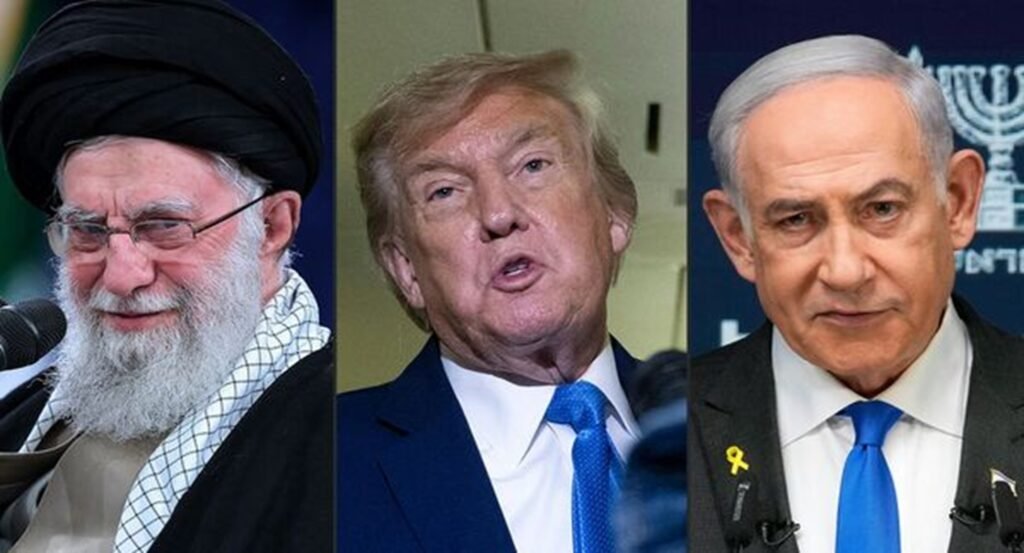
Israeli Prime Minister Benjamin Netanyahu expressed gratitude toward the U.S. for its intervention, describing it as a decisive move to stabilize the region. However, Iran’s Supreme Leader Ayatollah Ali Khamenei dismissed the claim, insisting that the American assault “failed to accomplish anything significant” and asserting that Iran had, in fact, emerged stronger.
Analysts remain skeptical about Trump’s portrayal of the event as a peace success. Dr. Samir Puri of Chatham House noted that while it was the only instance among Trump’s conflicts where military force was used, it merely “pushed the confrontation into a temporary freeze” rather than resolving its underlying causes.
Egypt and Ethiopia: Trump’s Claim Over the Nile Dispute
Egypt and Ethiopia have long been in conflict over the Grand Ethiopian Renaissance Dam (GERD) on the Blue Nile. After talks broke down in June 2025, Trump made controversial social media claims about U.S. involvement and promised to “solve” the crisis, which Ethiopia denied, stating the dam was entirely domestically funded. Experts say Trump’s intervention drew attention but did little to reduce tensions and may have complicated negotiations further.
Serbia–Kosovo: Preventing a Resurgence of Conflict
Tensions between Serbia and Kosovo, stemming from Kosovo’s 2008 independence, flared again in June 2025. Trump claimed on social media that his intervention prevented a potential war, a view partially supported by Kosovo’s President Osmani. The White House cited the 2020 economic normalization agreement, but experts note that while Trump may have temporarily eased tensions, the deeper political and ethnic disputes remain unresolved.
India -Pakistan: The Weight of History “Kashmir from 1947 and Trump’s Mediation”
India and Pakistan have disputed the Himalayan region of Kashmir since their 1947 partition. In May, tensions escalated for four days following an attack in Indian-administered Kashmir. A ceasefire was reached on 10 May, which Trump claimed resulted from a “long night of talks mediated by the United States.” While Pakistani officials later nominated him for the Nobel Prize, India strongly denied any U.S. involvement, stating that negotiations occurred directly between the two countries. Dr. Puri considers the India-Pakistan case the most “fragile” of Trump’s peace claims, emphasizing that the conflict’s deep-rooted issues dating back to 1947 cannot be resolved by his intervention.

Alfred Nobel wanted the prize to go to those who “shall have done the most or the best work for fraternity between nations, for the abolition or reduction of standing armies.”
Yet history tells another story — one where winners sometimes had blood still drying on their hands.
Henry Kissinger (1973):
The Vietnam War hadn’t even ended. Bombs were still falling. Yet Kissinger walked away with the Nobel Peace Prize.
Barack Obama (2009):
He received the prize barely months into his presidency — for being a symbol of hope. Not for ending wars. Ironically, his term saw an expansion of drone strikes.
Menachem Begin & Anwar Sadat (1978):
Two men who once fought each other received the Nobel for shaking hands later. The message: a peace treaty, no matter how temporary, equals Nobel-worthy peace.
So, the question writes itself:
If Obama can get it for “hope,” and Kissinger for an “unfinished war,” why not Donald Trump?
No new wars under Trump, Trump didn’t invade a single new country. He pushed for deals, not battles.
He met Kim Jong Un, pulled U.S. troops out of Afghanistan, and brokered the historic Abraham Accords — normalizing relations between Israel and several Arab nations including the UAE, Bahrain, and Morocco.
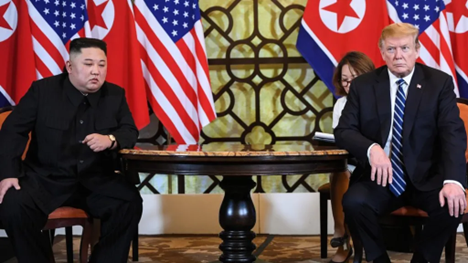
Yes, Trump’s tone was abrasive, his tweets were chaotic — but during his tenure, America didn’t start a single new war.
In today’s world, that alone sounds Nobel-worthy.
So again, why not Trump?
Let’s be honest: the Nobel Peace Prize isn’t just about peace anymore. It’s often about diplomacy, popularity, and political messaging.
If the committee truly judged by outcomes — fewer wars, real negotiations — Trump would deserve at least a nomination, if not the medal itself.
Final thought is the Nobel Peace Prize has drifted far from its original ideal. It’s less a symbol of peace, more a reflection of global politics.
But history won’t forget the question:
“If they got it — why not Trump?”
Supporting References:
Share this article