
Global Perspectives
Global issues cannot be understood through a single lens. This section brings together perspectives from different regions and communities to examine shared challenges and interconnected futures.
What We Publish Here
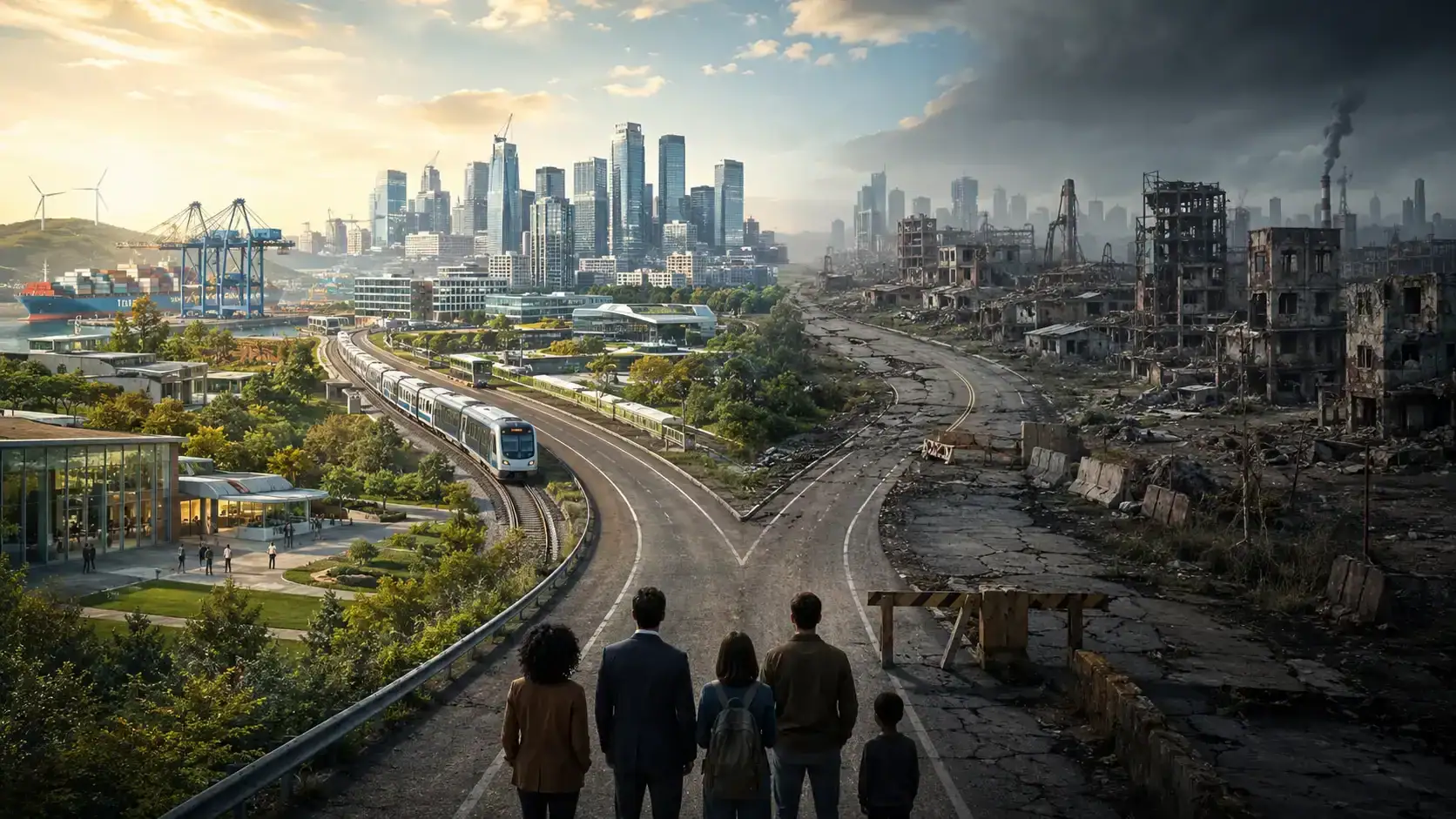
Why the Global South Pays the Highest Price for the World’s Growth

The world is often described as one shared planet, connected by trade, technology, finance, climate, and migration. Yet this same world remains deeply divided by wealth, power, history, and opportunity. One of the most common ways scholars, economists, and political commentators describe this divide is through the terms Global North and Global South. The Global North generally refers to countries that are wealthier, more industrialized, and more powerful in global politics and finance. These countries are mostly located in the northern hemisphere, including much of Europe and North America. The Global South, on the other hand, generally refers to countries…
The Great Divergence: Why Some Nations Prosper While Others Fall Behind
During the twentieth century, there was a time when many countries in Asia, Africa, and Latin America stood at similar economic crossroads. Many suffered from limited resources, geographical disadvantages, weak institutions, or the deep scars of colonial rule. However, some of these countries chose to move beyond their bottlenecks and rise above their limitations, while others struggled to overcome political instability, poor governance, and economic stagnation. Fast forward to the twenty-first century, and we can see a remarkable difference. Some nations that were once poor or vulnerable have become developed economies with efficient infrastructure, strong industries, and improved living standards.…
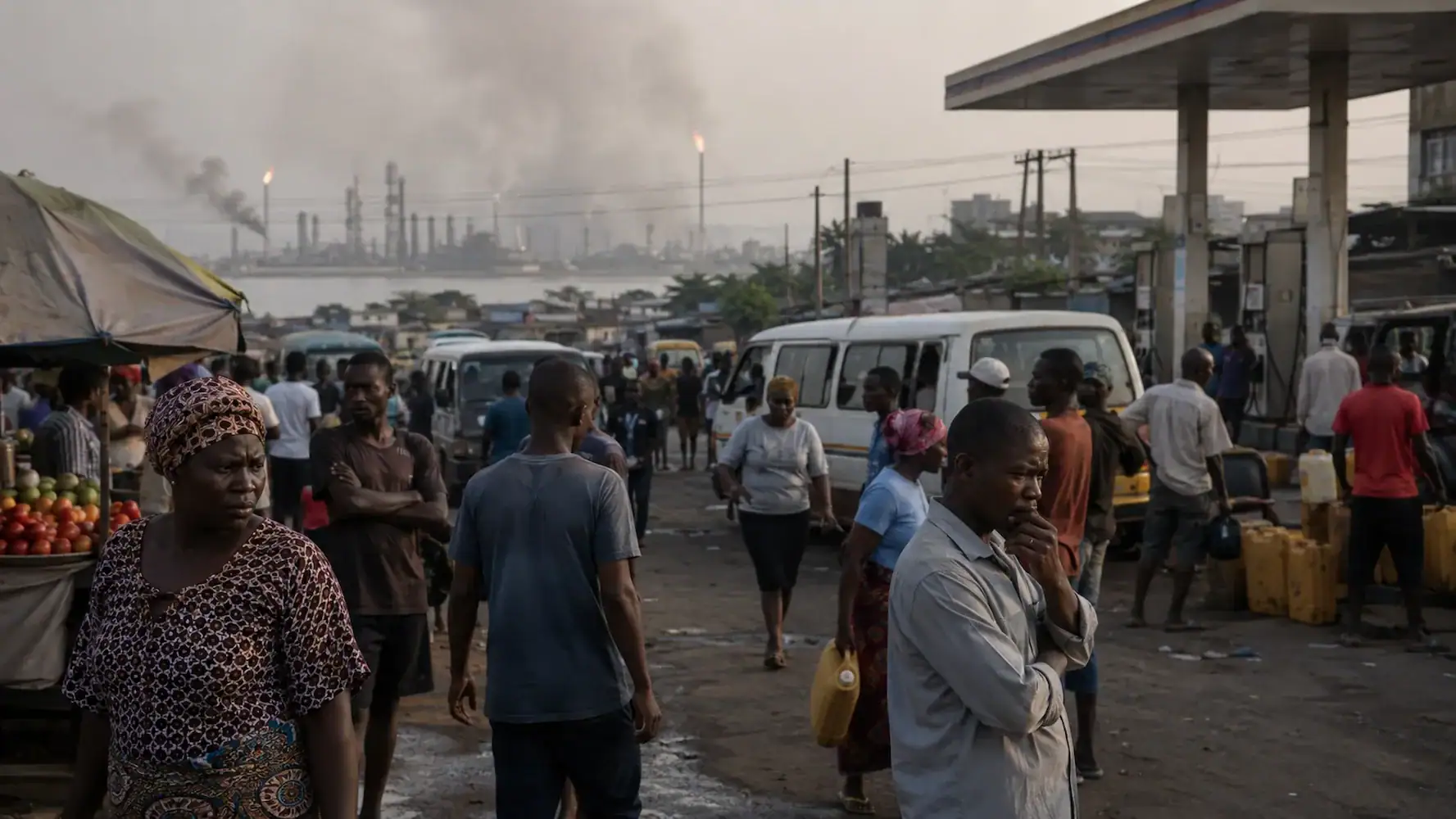
How Global Conflicts Shape Local Suffering

When missiles strike an oil facility in the Middle East, the explosion echoes thousands of miles away—not in sound, but in the rising cost of fuel in Dhaka, Nairobi, Juba, and many other parts of the world. The people most harmed by global conflicts are rarely those firing the weapons or negotiating the ceasefires. More often, they are ordinary citizens in countries that never chose to be part of the battle. Many of these nations are already struggling with food insecurity and economic distress, where even contemplating involvement in war has become an unaffordable and unnecessary luxury. This is the…
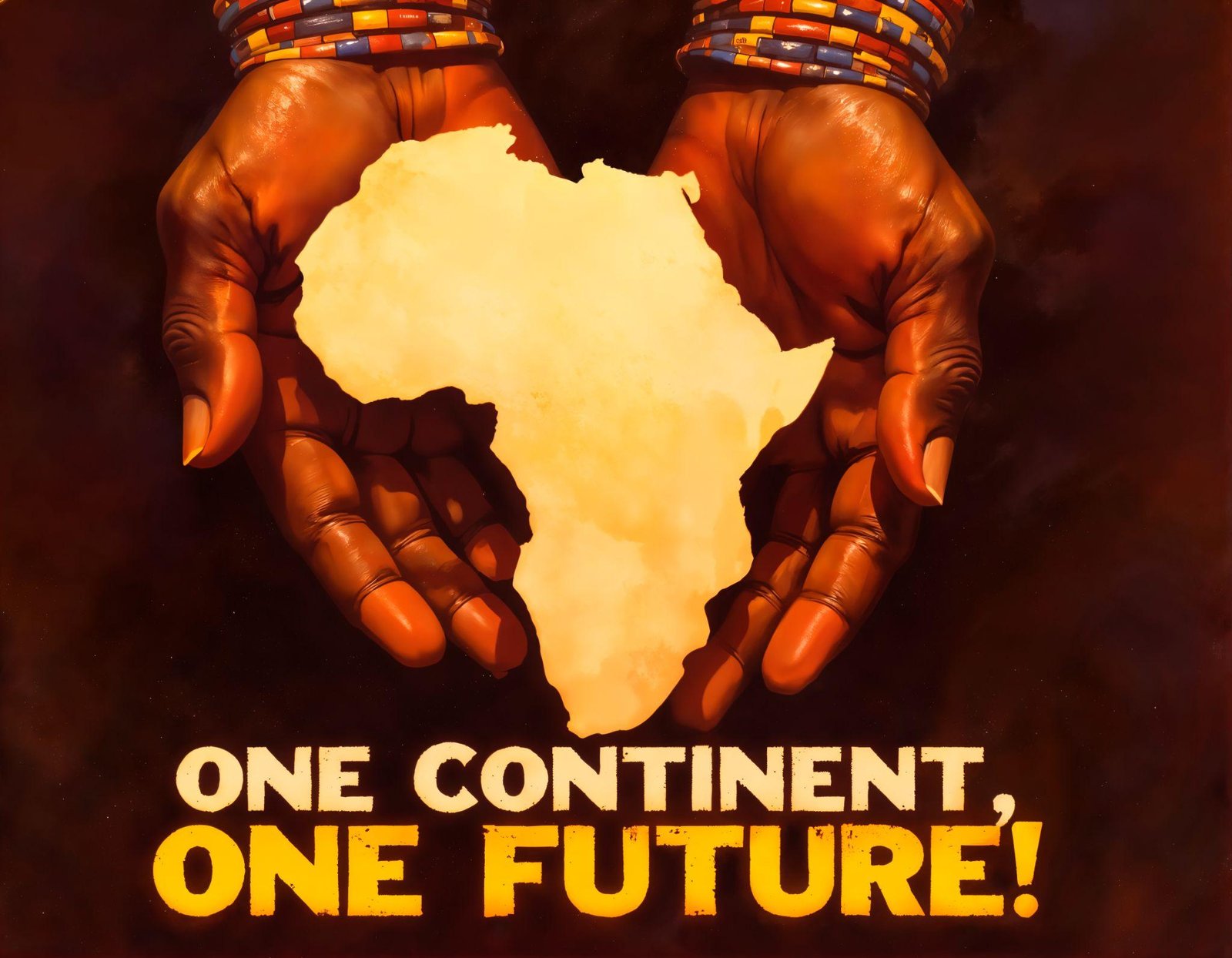
Why Africa’s Natural Resources Failed to Make It Rich

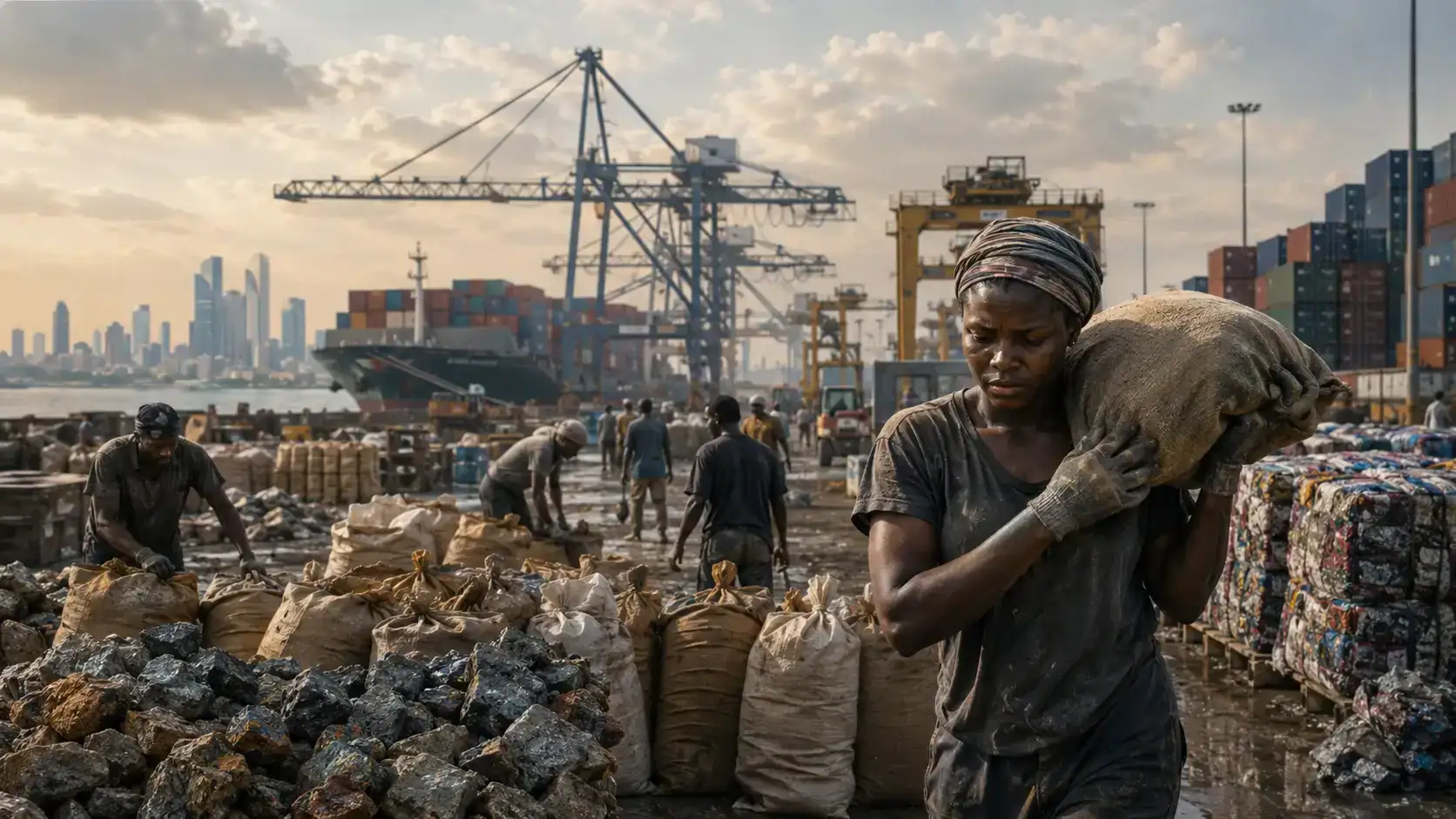
Africa is the continent with the largest number of countries in the world. Situated almost at the center of the global map, Africa was once a brutal victim of colonization. It is naturally blessed with scenic beauty and vast natural resources. In terms of both area and population, Africa is the second largest continent in the world. However, despite these advantages, it remains the poorest continent globally. This economic contradiction has drawn the attention of economists and policy experts for decades. Why has poverty persisted across much of Africa despite its immense natural wealth? In this article, we explore this…
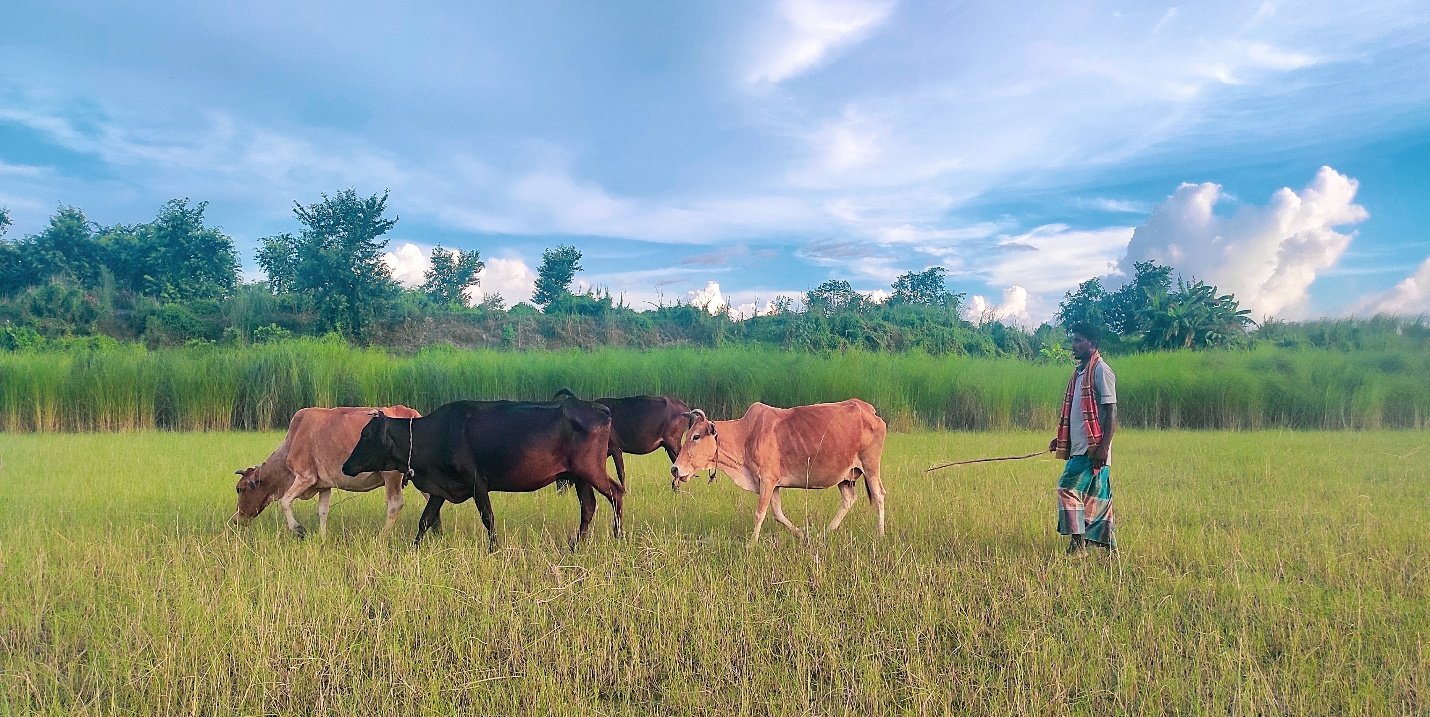
Beyond the Barn: Smallholder Livestock Systems and the Hidden Sustainability Challenge

In many parts of the Global South, livestock production does not take place behind factory gates or within fenced industrial farms. Instead, animals are woven into everyday life. Cattle, goats, poultry, and sheep often live beside homes, share courtyards with children, drink from community ponds, and move freely across agricultural landscapes. For millions of smallholder farmers, livestock is not merely an income-generating activity; it represents food security, cultural identity, social status, and a critical safety net during times of economic stress. This intimate human–animal relationship sustains livelihoods, yet it also creates complex and often invisible risks. Everyday livestock management practices—shaped…
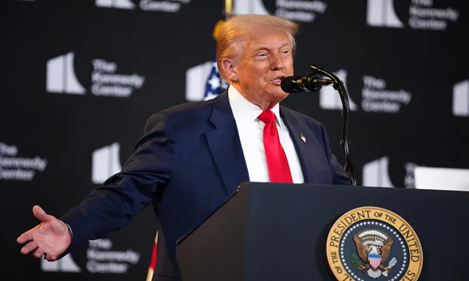
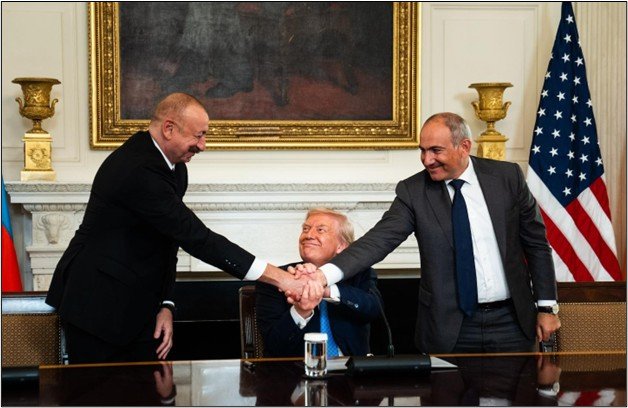
Donald Trump and the Nobel Peace Prize: Does He Truly Fit the Bill?

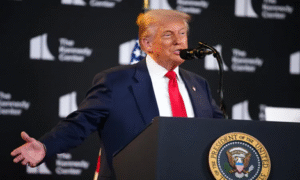
The Nobel Peace Prize — the very name evokes harmony, unity, and the triumph of humanity. But a glance at history tells a more complicated story. The prize, at times, has been not only a symbol of peace, but also a reflection of global politics. After months of widespread speculation and debate, the Nobel Peace Prize 2025 was officially announced on October 10. Around the world, many had been guessing who would be recognized this year as a global symbol of peace. Among the names discussed was that of former U.S. President Donald Trump, who had publicly expressed hope of…
Does Donald Trump Have Any Chance at the 2026 Nobel Peace Prize?

This year’s Nobel Peace Prize winner’s name has already been published. US President Donald Trump didn’t receive it this year. This year’s Nobel got extra attention due to Mr. Trump’s claiming the Nobel in almost every speech. However that doesn’t end the debate whether he deserves a Nobel Peace Prize or not. After securing a historic 2nd term as President of the United States, he now desires to be the only 5th US President to ever be awarded a Nobel Prize. He even has a specific choice among the 6 categories of Nobel Prize awarded. Only a Nobel Peace Prize…
- The Role of Education in Ending Poverty: A Political Perspective

- The Future is Now: How Modern Science and Technology Are Shaping Our World
- Lessons from History: Empowering the Marginalized

- Does Donald Trump Have Any Chance at the 2026 Nobel Peace Prize?

- Donald Trump and the Nobel Peace Prize: Does He Truly Fit the Bill?