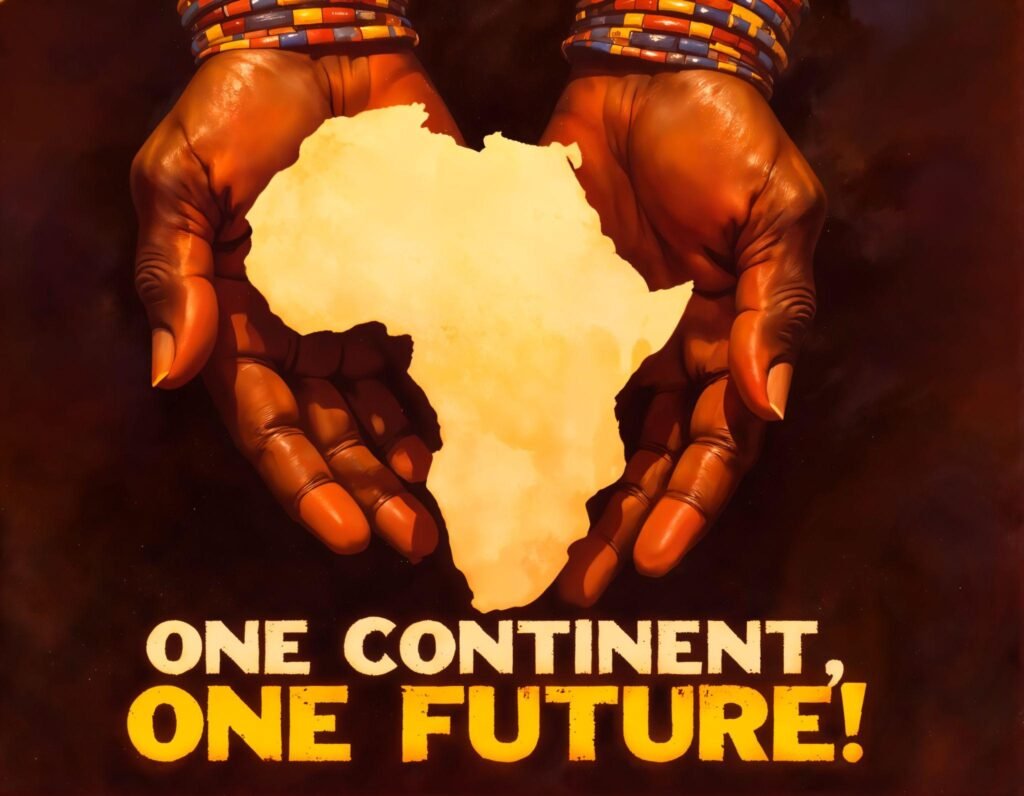
Throughout history, marginalized communities—whether defined by race, gender, class, or other factors—have faced systemic oppression and exclusion. Yet, time and again, these communities have risen against adversity, using resilience, solidarity, and innovation to claim their rights and transform societies. From the abolition of slavery to the fight for gender equality, history offers powerful lessons on how to empower the marginalized and create a more just world. This article delves into key historical movements and strategies that have driven change, providing insights for addressing contemporary challenges.
1. The Abolition of Slavery: A Fight for Freedom and Dignity
The abolition of slavery in the 19th century was a landmark achievement in the struggle for human rights. It demonstrated the power of collective action, moral persuasion, and legal reform.
A. Grassroots Movements
- Abolitionist Campaigns: Activists like Frederick Douglass, Harriet Tubman, and William Lloyd Garrison mobilized public opinion through speeches, writings, and underground networks like the Underground Railroad.
- International Pressure: The abolitionist movement gained momentum globally, with countries like Britain banning the slave trade in 1807 and slavery itself in 1833.
B. Legal and Political Reforms
- Emancipation Proclamation: In the United States, President Abraham Lincoln’s Emancipation Proclamation (1863) declared the freedom of enslaved people in Confederate states.
- 13th Amendment: The ratification of the 13th Amendment in 1865 abolished slavery nationwide, marking a turning point in American history.
Lessons Learned:
- The Power of Unity: Marginalized communities can achieve monumental change by uniting across boundaries and amplifying their voices.
- Moral and Legal Advocacy: Combining grassroots activism with legal and political strategies creates lasting impact.
2. The Civil Rights Movement: Breaking the Chains of Segregation
The mid-20th century Civil Rights Movement in the United States was a defining moment in the fight for racial equality. It showcased the effectiveness of nonviolent resistance and strategic organizing.
A. Nonviolent Resistance
- Martin Luther King Jr.: Through peaceful protests, marches, and speeches, Dr. King inspired millions to demand an end to racial segregation and discrimination.
- Sit-Ins and Boycotts: Tactics like the Montgomery Bus Boycott and sit-ins at segregated lunch counters demonstrated the power of collective action.
B. Legislative Victories
- Civil Rights Act of 1964: This landmark legislation outlawed discrimination based on race, color, religion, sex, or national origin.
- Voting Rights Act of 1965: This act aimed to overcome legal barriers that prevented African Americans from exercising their right to vote.
Lessons Learned:
- Nonviolence as a Tool: Peaceful resistance can expose injustice and garner widespread support.
- Strategic Leadership: Effective leadership and clear goals are essential for mobilizing communities and achieving systemic change.
3. Women’s Suffrage: Claiming the Right to Vote
The fight for women’s suffrage, which spanned the late 19th and early 20th centuries, was a pivotal struggle for gender equality. It highlighted the importance of persistence, advocacy, and intersectional solidarity.
A. Grassroots Organizing
- Suffragettes: Activists like Susan B. Anthony, Emmeline Pankhurst, and Sojourner Truth organized rallies, marches, and petitions to demand voting rights.
- Global Movement: The suffrage movement gained traction worldwide, with New Zealand becoming the first country to grant women the right to vote in 1893.
B. Legislative Milestones
- 19th Amendment: In the United States, the ratification of the 19th Amendment in 1920 granted women the right to vote.
- Universal Suffrage: Over time, countries around the world adopted universal suffrage, recognizing women’s right to participate in democracy.
Lessons Learned:
- Persistence Pays Off: Social change often requires decades of sustained effort and resilience.
- Intersectionality Matters: The suffrage movement’s exclusion of women of color underscores the importance of inclusive advocacy.
4. The Anti-Apartheid Movement: Dismantling Institutionalized Racism
The anti-apartheid movement in South Africa was a global struggle against racial segregation and oppression. It demonstrated the power of international solidarity and economic pressure.
A. Grassroots Resistance
- Nelson Mandela and the ANC: The African National Congress (ANC), led by figures like Nelson Mandela, organized protests, strikes, and acts of civil disobedience.
- Soweto Uprising: The 1976 Soweto Uprising, led by students, brought global attention to the brutality of apartheid.
B. International Support
- Economic Sanctions: Global boycotts and sanctions pressured the South African government to dismantle apartheid.
- Cultural Boycotts: Artists, athletes, and organizations refused to engage with South Africa, amplifying the movement’s impact.
Lessons Learned:
- Global Solidarity: International support can amplify local struggles and create pressure for change.
- Economic Leverage: Strategic use of economic tools can force oppressive regimes to reform.
5. Indigenous Rights Movements: Reclaiming Land and Identity
Indigenous communities worldwide have fought to reclaim their land, culture, and rights. These movements highlight the importance of cultural preservation and self-determination.
A. Land Rights
- Standing Rock Protests: The Dakota Access Pipeline protests in the United States brought global attention to Indigenous land rights and environmental justice.
- Aboriginal Land Rights in Australia: The Mabo decision in 1992 recognized Indigenous land ownership, overturning the doctrine of terra nullius.
B. Cultural Revival
- Language Preservation: Efforts to revive and preserve Indigenous languages strengthen cultural identity and resilience.
- Education Reform: Indigenous-led education programs incorporate traditional knowledge and practices, empowering future generations.
Lessons Learned:
- Cultural Resilience: Preserving and celebrating cultural heritage is a powerful form of resistance.
- Self-Determination: Empowering marginalized communities to lead their own struggles ensures sustainable and meaningful change.
6. Lessons for Today: Empowering the Marginalized
The struggles of the past offer valuable lessons for addressing contemporary challenges, from racial inequality to climate justice.
A. Amplify Marginalized Voices
- Representation: Ensure that marginalized communities have a seat at the table in decision-making processes.
- Storytelling: Share the stories and experiences of marginalized individuals to build empathy and understanding.
B. Build Coalitions
- Intersectional Solidarity: Recognize the interconnectedness of struggles and build alliances across communities.
- Global Networks: Leverage international support to amplify local movements.
C. Advocate for Systemic Change
- Policy Reform: Push for laws and policies that address systemic inequalities and protect marginalized groups.
- Economic Justice: Address economic disparities through fair wages, access to education, and affordable healthcare.
Conclusion: A Legacy of Resilience and Hope
History teaches us that marginalized communities have always been at the forefront of social change, using courage, creativity, and solidarity to overcome oppression. By learning from these struggles, we can continue to empower the marginalized and build a more just and equitable world. As we face new challenges, let us draw inspiration from the past and work together to create a future where everyone can thrive.

Md Nurul Haque is a researcher, entrepreneur, and social-impact advocate. He is the founder of "Break Or Die LLC", a global platform uniting ethical business, independent journalism, and humanitarian action. With a background in experimental nuclear physics and a deep commitment to social justice, his writing explores inequality, power structures, science, and human dignity. He believes storytelling is a tool not just to inform—but to change lives.