

Social Justice
Social justice is not an abstract idea — it is lived experience. In this section, we explore inequality, marginalization, and structural injustice, focusing on systems rather than charity and dignity rather than pity.
What We Publish Here
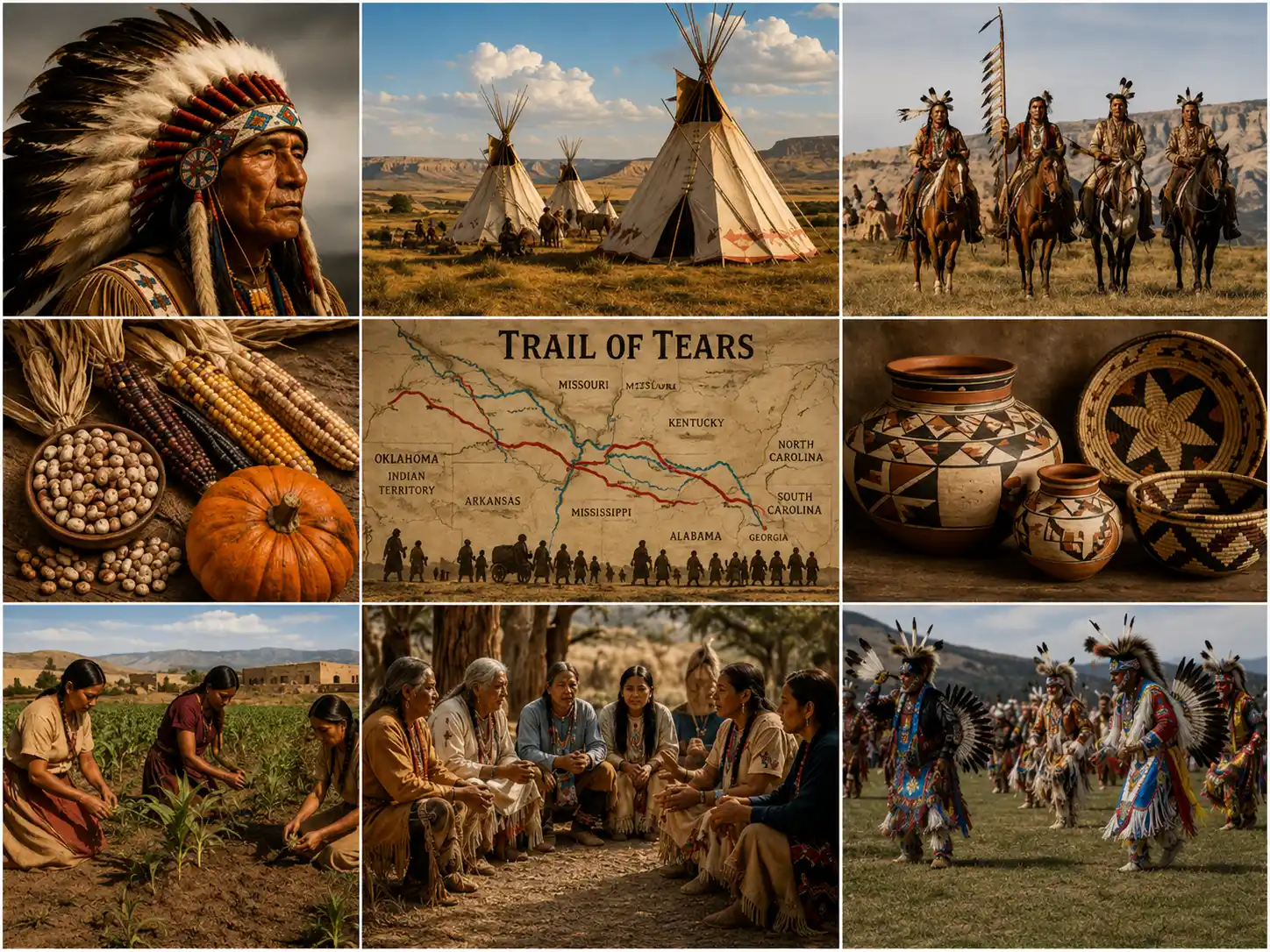
The Native American Nations: History, Culture, Colonization, and Enduring Resilience

The Indigenous peoples of North America—commonly referred to today as Native Americans, American Indians, Alaska Natives, or Indigenous peoples—represent some of the world’s oldest continuing cultural and political communities. They are not one single group, but hundreds of distinct nations, tribes, languages, and traditions. Some older European writings used terms that are now considered outdated or inappropriate. For that reason, modern academic and editorial writing generally uses respectful terms such as Native American, Indigenous peoples, Native nations, or American Indian and Alaska Native communities, depending on context and community preference. Long before the arrival of Europeans, Native American societies had…
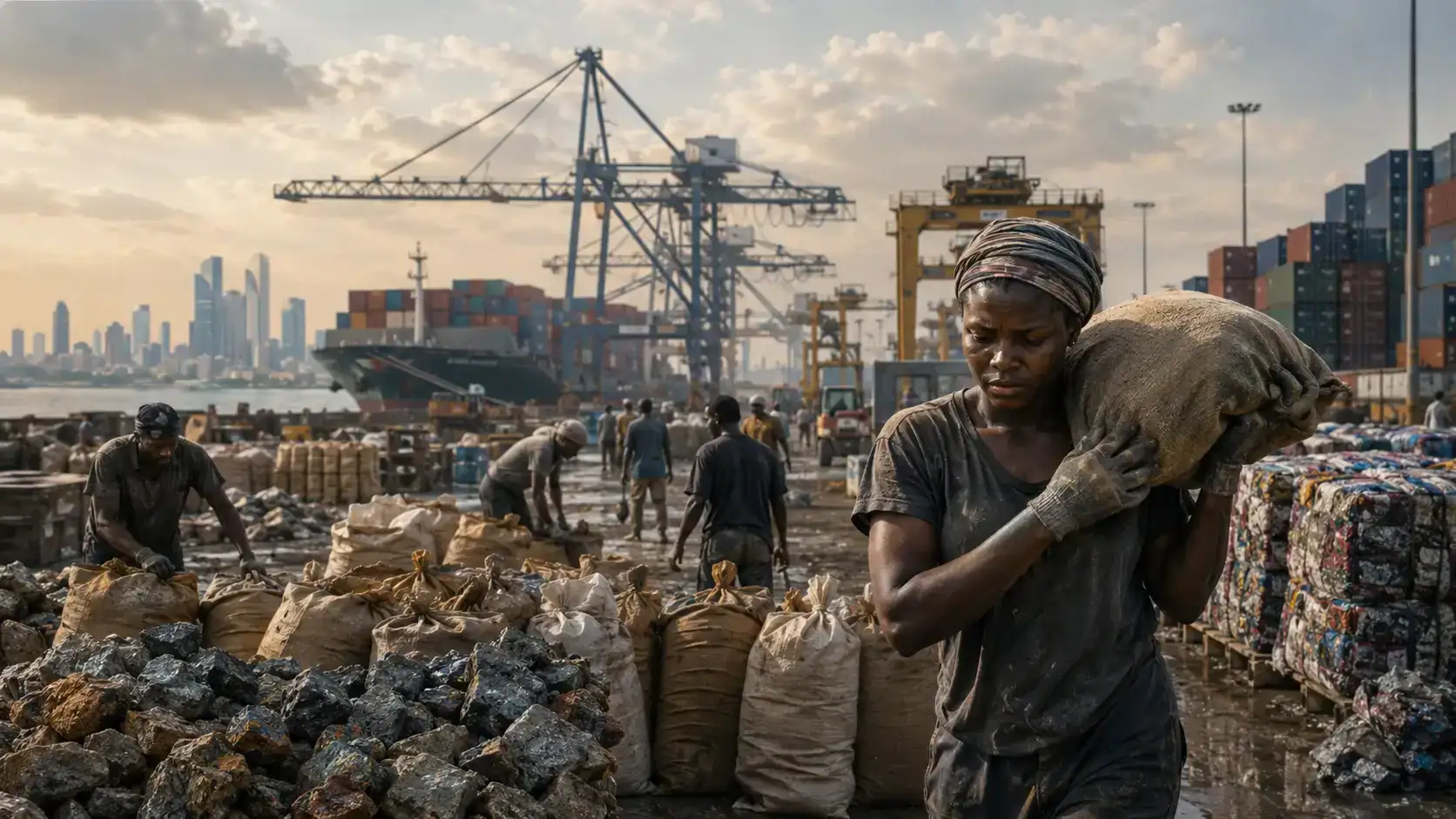
Why the Global South Pays the Highest Price for the World’s Growth

The world is often described as one shared planet, connected by trade, technology, finance, climate, and migration. Yet this same world remains deeply divided by wealth, power, history, and opportunity. One of the most common ways scholars, economists, and political commentators describe this divide is through the terms Global North and Global South. The Global North generally refers to countries that are wealthier, more industrialized, and more powerful in global politics and finance. These countries are mostly located in the northern hemisphere, including much of Europe and North America. The Global South, on the other hand, generally refers to countries…
The Great Divergence: Why Some Nations Prosper While Others Fall Behind
During the twentieth century, there was a time when many countries in Asia, Africa, and Latin America stood at similar economic crossroads. Many suffered from limited resources, geographical disadvantages, weak institutions, or the deep scars of colonial rule. However, some of these countries chose to move beyond their bottlenecks and rise above their limitations, while others struggled to overcome political instability, poor governance, and economic stagnation. Fast forward to the twenty-first century, and we can see a remarkable difference. Some nations that were once poor or vulnerable have become developed economies with efficient infrastructure, strong industries, and improved living standards.…
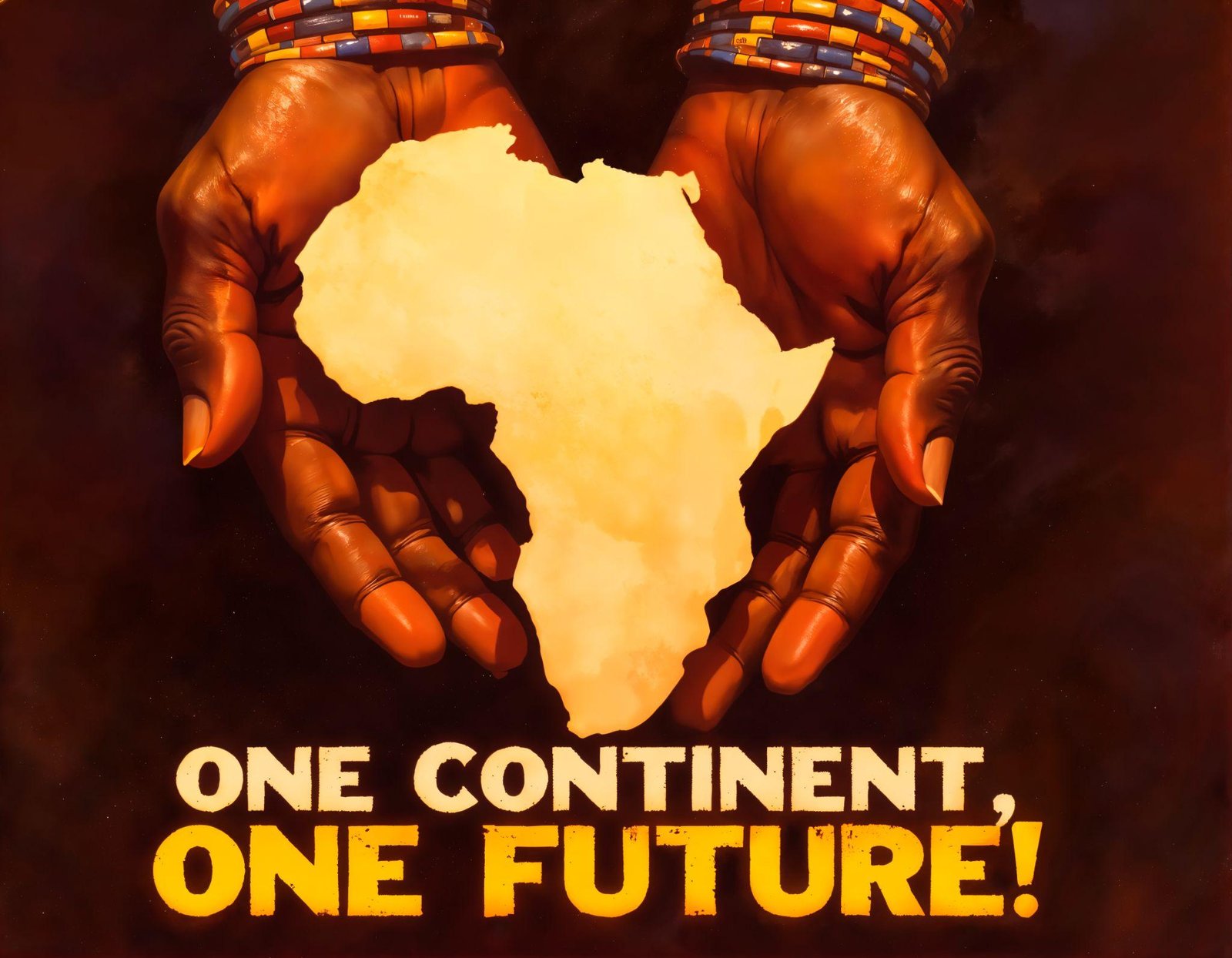
Why Africa’s Natural Resources Failed to Make It Rich

Africa is the continent with the largest number of countries in the world. Situated almost at the center of the global map, Africa was once a brutal victim of colonization. It is naturally blessed with scenic beauty and vast natural resources. In terms of both area and population, Africa is the second largest continent in the world. However, despite these advantages, it remains the poorest continent globally. This economic contradiction has drawn the attention of economists and policy experts for decades. Why has poverty persisted across much of Africa despite its immense natural wealth? In this article, we explore this…
Lessons from History: Empowering the Marginalized

Throughout history, marginalized communities—whether defined by race, gender, class, or other factors—have faced systemic oppression and exclusion. Yet, time and again, these communities have risen against adversity, using resilience, solidarity, and innovation to claim their rights and transform societies. From the abolition of slavery to the fight for gender equality, history offers powerful lessons on how to empower the marginalized and create a more just world. This article delves into key historical movements and strategies that have driven change, providing insights for addressing contemporary challenges. 1. The Abolition of Slavery: A Fight for Freedom and Dignity The abolition of slavery…


- The Role of Education in Ending Poverty: A Political Perspective

- The Future is Now: How Modern Science and Technology Are Shaping Our World
- Lessons from History: Empowering the Marginalized

- Does Donald Trump Have Any Chance at the 2026 Nobel Peace Prize?

- Donald Trump and the Nobel Peace Prize: Does He Truly Fit the Bill?